Lying in the shadow of beautiful Mount Meru, on the eastern edge of the eastern branch of the Great Rift Valley, Arusha is renowned as the safari capital of Tanzania. But there is so much more to Arusha than just a stopping off point to catch a jeep, it is a vibrant and colourful city steeped in history.
Lets start with the most important part of the day, coffee! Arusha City is surrounded by coffee bean farms and you can enjoy one of the freshest, most aromatic coffees you will ever have the pleasure to drink; in Arusha City you are never far from a restaurant, coffee shop, bar or cafe. Choose your table and chair and sit outside in the warm sunshine enjoying the hustle and bustle of African city life as you savour every mouthful of a delicious, freshly brewed cup of golden brown nectar.

Maasai Market
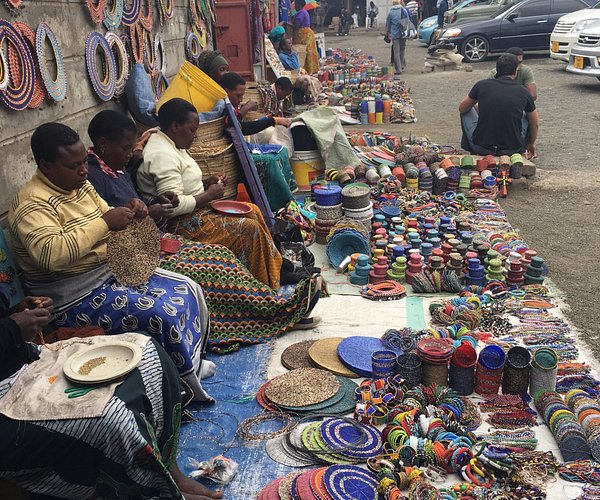
Take a short stroll from the Clock Tower and visit the Maasai Market. With over 100 stalls selling traditional paintings, carvings, jewellery, baskets, textiles and Maasai clothing it’s a great place to find authentic and unique Tanzanian souvenirs, curios and gifts. Stand and watch as the artists create their pictures, wood carvings and jewellery, meet the crafts men and women and, if you’re really lucky, you can get to watch the Maasai perform one of their traditional dances. Honestly, it is definitely an experience not to be missed. Take your time as you leisurely wander from stall to stall soaking in the atmosphere and chatting to the traders and artists, and if you really can’t find exactly what you want Hakuna Matata, they will make it to order for you. But whatever you do don’t forget to haggle, it is part of African culture, and included in every purchase is a friendly handshake and a free Maasai smile!
The Arusha cultural heritage centre
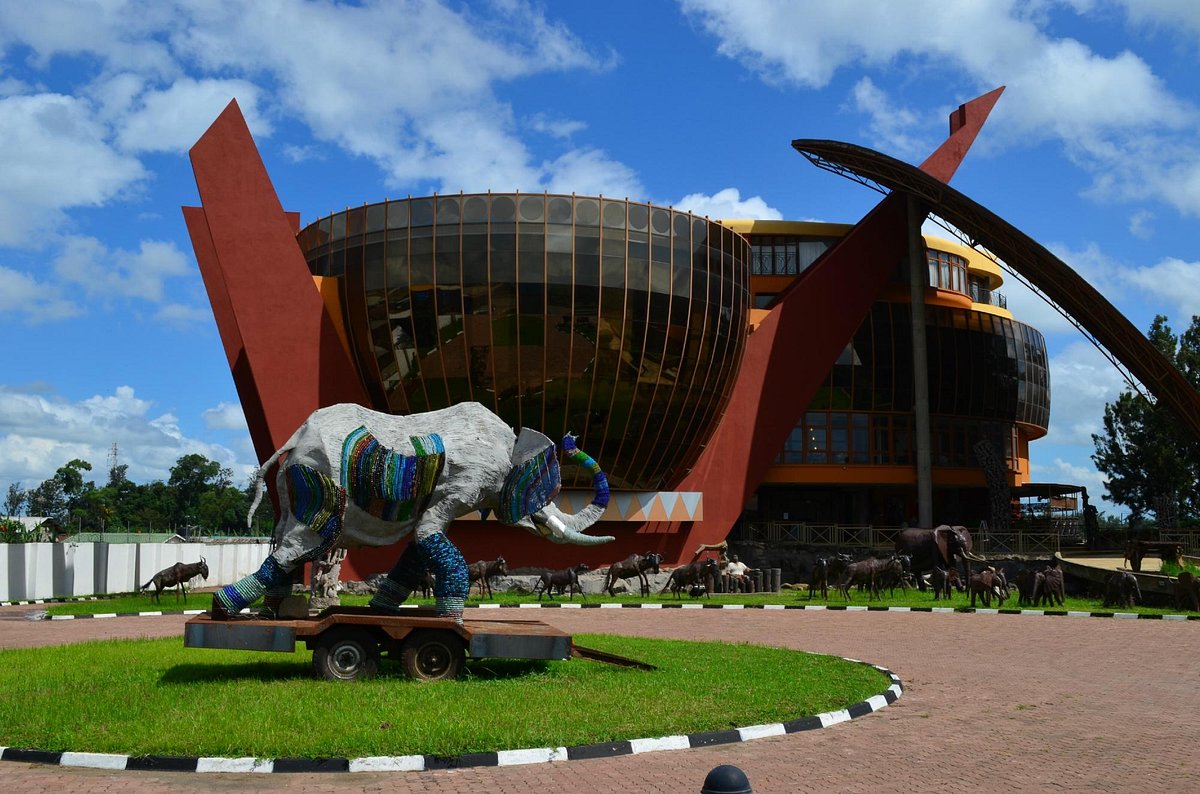
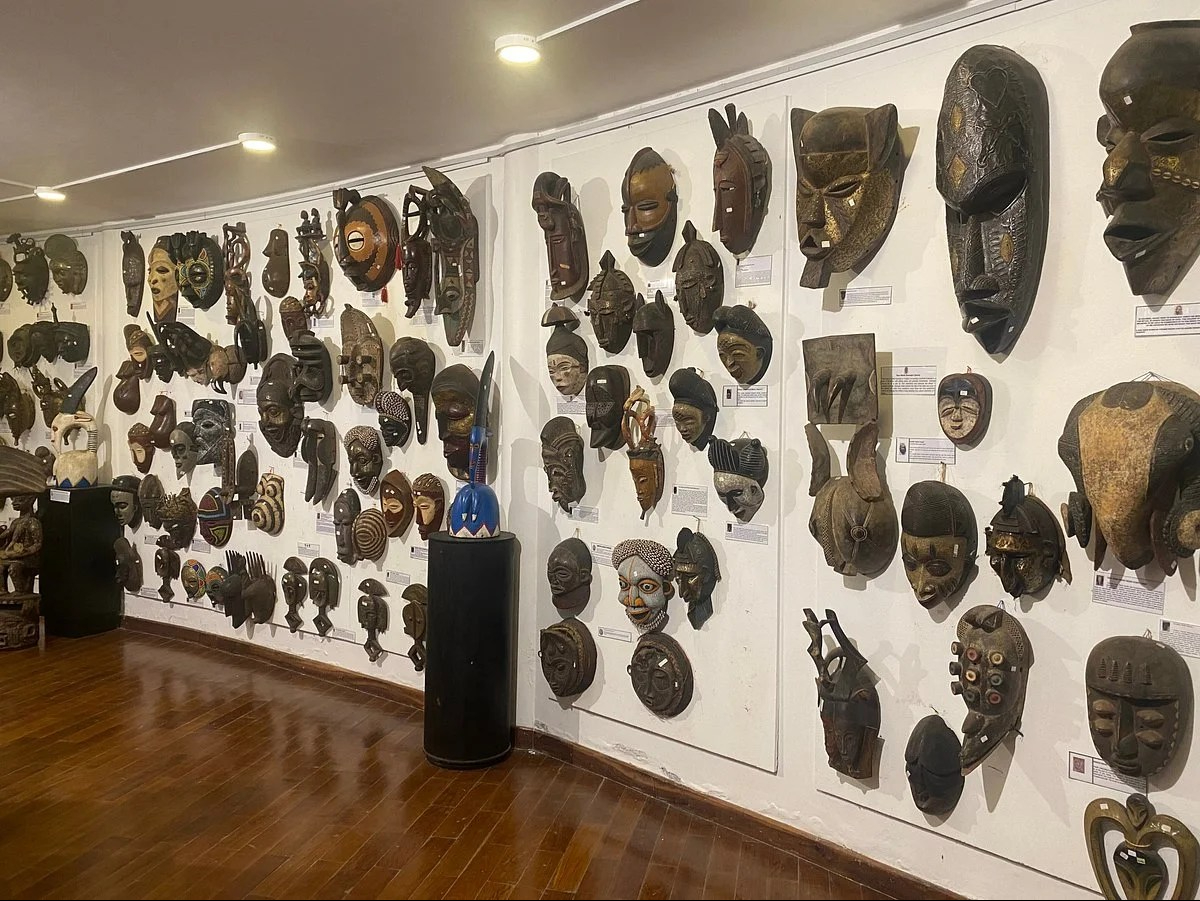
The Arusha Cultural Heritage Centre, established in 1994 and the first of its kind in Africa, is dedicated to the rich treasures, both past and present, of African art and culture. The unique structure of the main building was designed to resemble the Uhuru Peak of Kilimanjaro and the remarkable range of arts and crafts on display includes masks, verdite (African Jade), carvings, sculptures and paintings. Towering over the entrance the symbols of Africa, a drum, a shield and a spear, reflect the ethos of the gallery; communicating, representing and celebrating Africa’s vibrant and diverse Cultural Heritage.



Arusha central market
Home to one of the largest markets in East Africa Arusha’s vibrant, colourful and noisy Central Market is one of the best places to emerse yourself in shopping Africa style. Walking into Central Market for the first time is a sensory frenzy that you will never forget and an experience not to be missed. The market offers everything you could possibly want to buy, souvenirs, clothing, local food, fresh produce and spices. From the best Masala Chai you will ever drink to locally made colorful, cotton Kanga cloth experience the chaos and vibrancy of an African market.
But be warned, locals will want to take you around and traders want to sell you their goods at the best price they can get, so make sure you have your haggling head on, or alternatively take me with you and I will make sure you get the best price possible for all your purchases!
No visit to the market is complete without dropping in to the women’s trader section of the market. Recognising that, despite making up the majority of Tanzania’s agricultural workers, women had no access to selling their produce the Government designated a large area of the market for women traders.

Natural History Museum
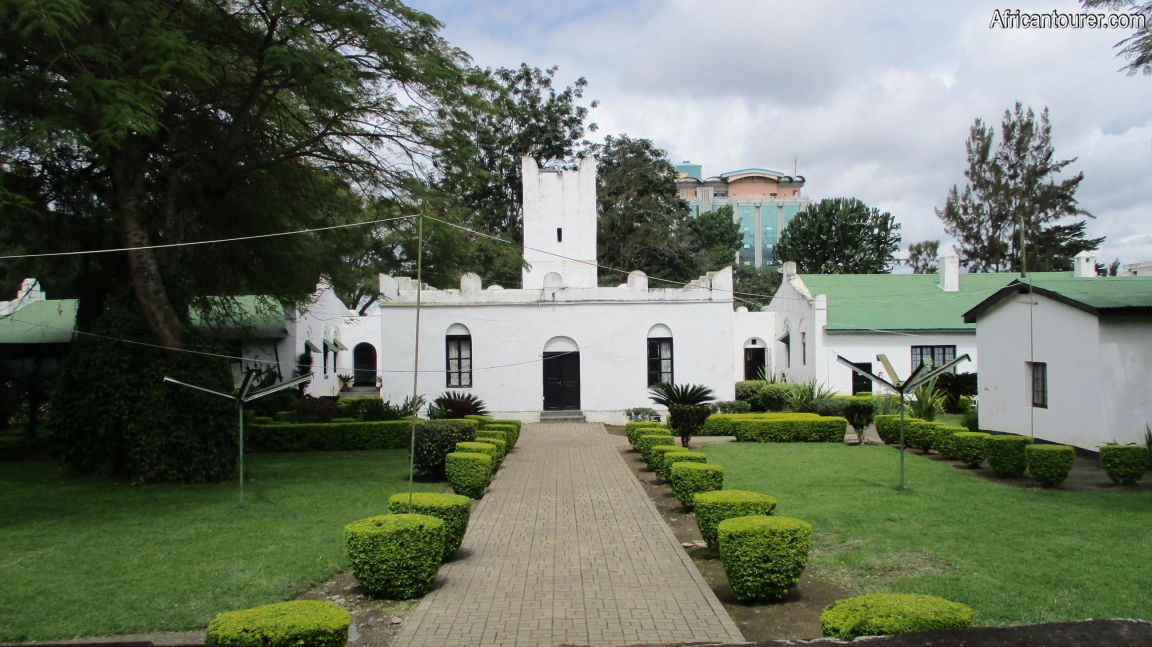
Established in 1987 and housed inside an old German boma (military compound), the aims of the Natural History Museum museum are the collection and preservation of information on natural heritage and the education and dissemination of the information through exhibitions and publications. Exhibits include an outdoor mini botanical garden, an outdoor arts and crafts gallery. Three buildings displaying wildlife, the history of Arusha and its people and an archaeological museum with a wing dedicated to human evolution displaying finds from excavations in neighbouring areas including the world renowned Oldupai Gorge, are also situated inside the boma.
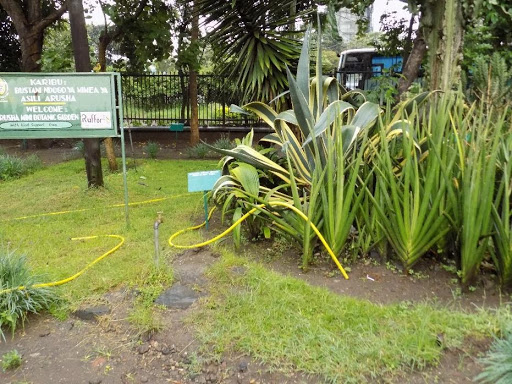
There is a small botanical garden with a variety of tree species local to the Arusha region. The gardens are surrounded by live animals including tortoise, birds, and stingless bees with signs demonstrating their ecological importance. The museum collection comprises of birds’ specimens, stuffed animal, an Entomology exhibition, and Archaeological collections mainly from Oldupai Gorge and Laetoli, Paleontological Laboratory. A series of collections were discovered in different beds/strata of the gorge by scientists and researchers.

Twitching!
Boasting over 1200 species of birds Tanzania is an ornithophilous paradise and you will not be long in Tanzania before you too become addicted to bird watching, you just won’t be able to help yourself. There is no more magnificent site than watching an eagle soaring high in the blue sky or the snipes with their long beaks wading in the marshes, wet grasslands and moorlands probing to find insects, earthworms and small crustaceans.
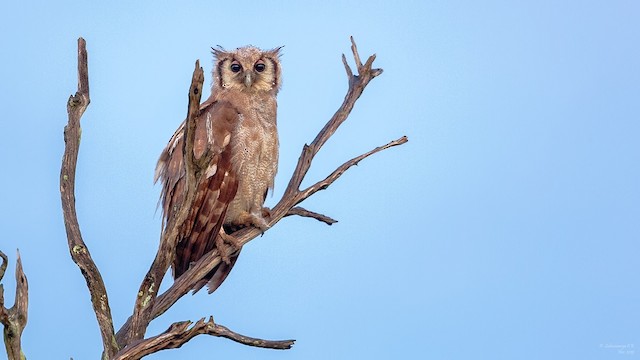
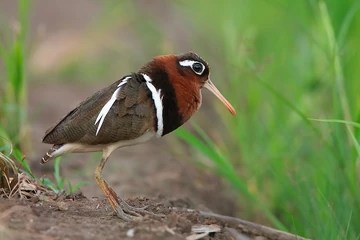
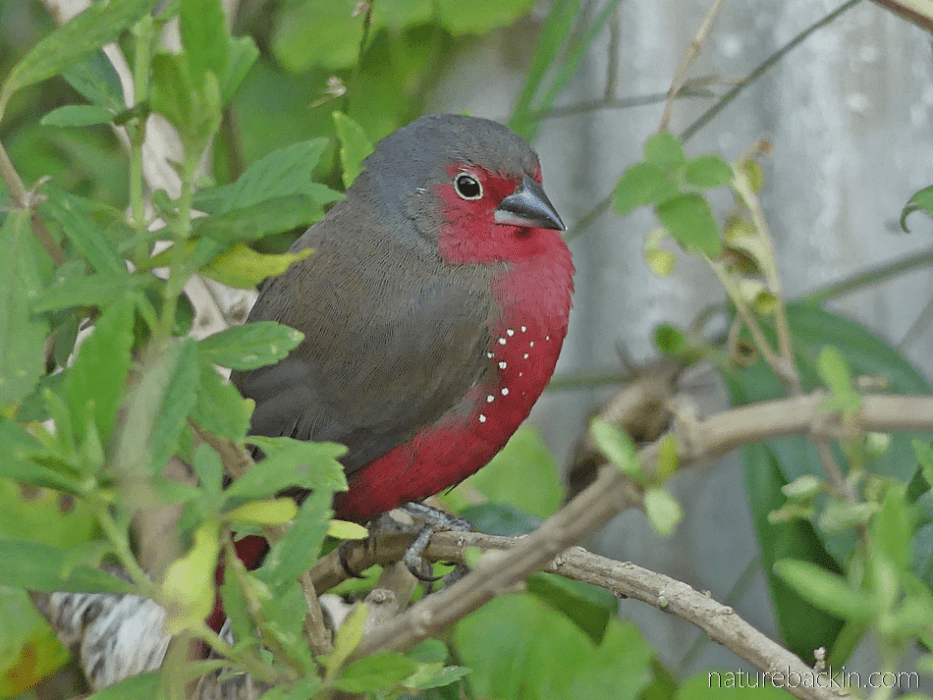
Lying to the west of Arusha is an area of moist bushland, scrubby hills and small wetlands with groves of fever-trees that migrant birds, rare to to see in other areas of Tanzania, call home during the months of November and December and March and April. Take your binoculars, a packed lunch and settle down for the day and if you wait patiently you may just get to see Verraux’s Eagle-Owls, Greater Painted-Snipes, African Firefinches and several species of weaver birds, so called for their elaborately woven nests.

Ranging from shopping and history, wildlife and nature, coffee shops and restaurants multinational Arusha is a city not to be missed. With it’s warm, welcoming atmosphere, bustling streets and markets, impressive museums and cultural heritage programmes Arusha is more than a gateway, it is the sights, sounds and smells of Africa all encapsulated in one amazing city.
 Tanzania with kenny
Leave a comment